
RESEARCH
The public science lab conducts long-term co-laborative research projects with partners from society reaching from key stakeholders to communities. We understand public matters of concern and integrate them into research and innovation at TUM.

Nuclear Technologies as Public Technologies
Co-laboration with nuclear physics to develop the research neutron source Heinz Maier-Leibnitz (FRMII) in Garching as a public technology. This means embedding social science research into experimental and development work to understand emerging ‘epistemic cultures’ and
align those with public matters of concern.
Environmental Intelligence Data Clinics
In partnership with the Ethical Data Initiative, co-laboration with public administration in Bavaria and nearby regions, civil society, and start-ups to develop responsible and sustainable data and AI methods and
policies. Planned partners are inter alia the Climate Pact Ambassadors Network, the municipality of Munich, and the phytosanitary services of Emilia-Romagna, with many more clinics under development.

Coproduction / Co-formation of Urban Biodiversity
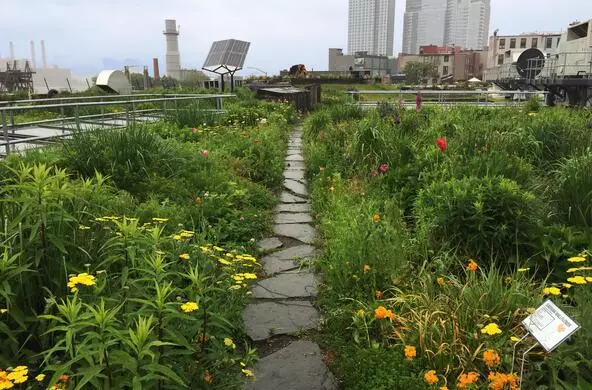
In partnership with the US-based Cary Institute for Ecosystem Studies and the University of California-Davis, we conceptualise and operationalise integrated research toward understanding the coproduction of place, knowledge, science, and environmental change. Current projects include work in areas of urban biodiversity, transforming landscape vegetation for climate resilience.
Urban Greening Lab Munich
This burgeoning initiative plans to host collaborative research and experimental fieldwork initiatives that involve academic scientists, environmental and social activists, and wider publics in the assessment, monitoring, analysis, and communication about core processes and conditions in urban environments in Munich and beyond. Building on a decade of work in New York City in areas of urban biodiversity, microplastics and water quality monitoring, social and ecological change assessments, and urban greenspace programming, the initiative will provide opportunities for comparative urban environmental research, experimental environmental programming, and creative approaches to knowledge-building.

Sustainable Munich as Public Science
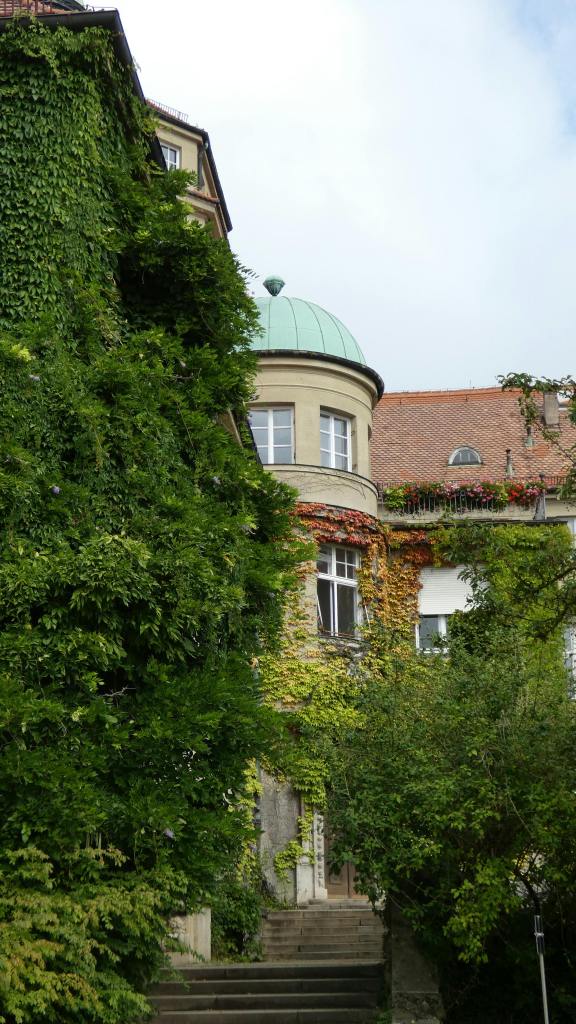
Inter- and transdisciplinary research across TUM expertise and the City of Munich to turn the digital twin, which is currently used to support Munich’s transition towards carbon neutrality, into an evidence-based public urban development tool.
Infrastructures for Public Research on Pest-Plant Interactions
Focused on central regions of Italy, collaboration with public administration, local agronomists and entomology researchers fosters sustainable information exchange, including the opportunities for long-term storage and re-use of environmental data collected by public services and farming communities. These efforts strengthen engagement among farmers, researchers, regional officers and industry, while also providing a stronger evidence base for environmental research on pest-plant interactions.
Unless indicated, all pictures on this page are CC-licensed, no attribution required.


 Public Science Lab