

How can different forms of public deliberation help address the climate crisis? This question was the subject of a two-day ‘study workshop’ held at the University of Exeter (UK), from 19th-20th May 2025.
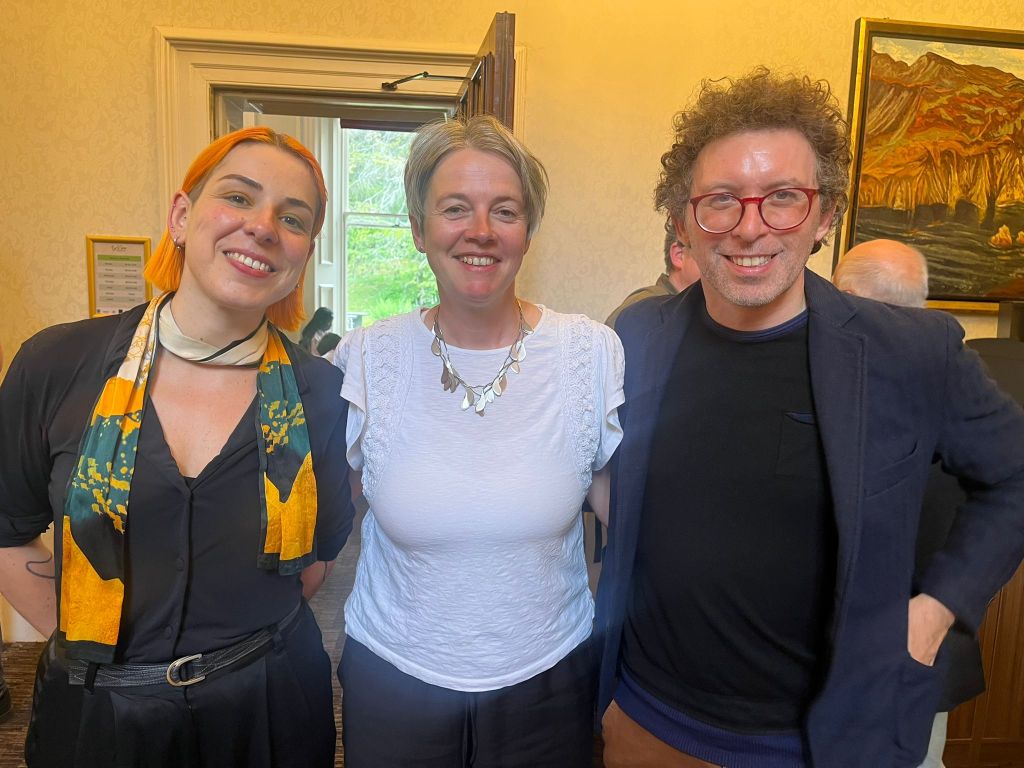
Sabina Leonelli (Chair of History of Philosophy of Science and Technology, Technical University Munich) attended, representing the Public Science Lab, together with Stefano Rimini, the president of Pianeta. Together, they reflected on the imminent launch of PianetaLab, an initiative co-organised by the Public Science Lab to support innovative, community-driven, impactful collective action for socio-environmental change in Italy. The workshop brought together academics, policy-makers, activists and public administrators to discuss and debate how to enhance democratic engagement from citizens in the response to climate change.

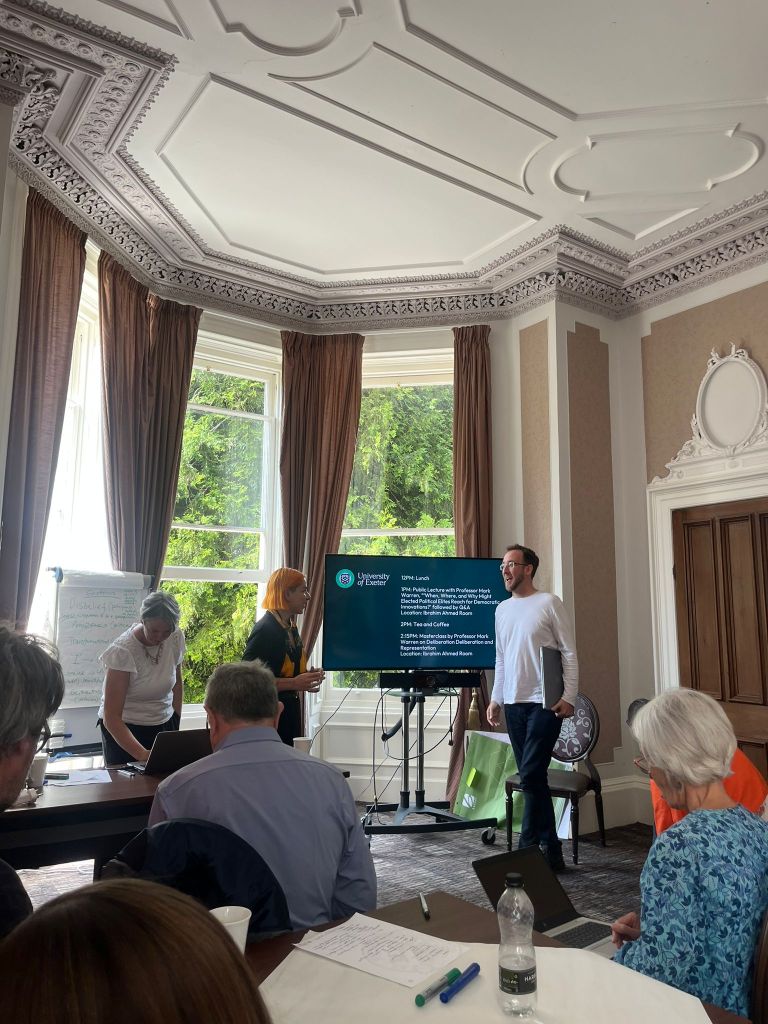
In particular, discussion focused on the use of climate assemblies – groups of citizens assembled to deliberate over climate issues – with workshop attendees discussing and comparing their experiences of the different formats this can take, and the virtues and complications associated with these formats.
The broader aims of the event were to build trust and civic engagement in climate action; to integrate deliberative methods with political representation; and to combine democratic innovation with climate policies. Whilst the event focused primarily on public policy, these overlap heavily with core concerns of the Public Science Lab: thinking about democratic and epistemic innovation in the context of looming environmental crises.
The workshop forms part of the REDIRECT project, an international EU Horizon and UKRI Funded consortium of seven international partners (Italy, Belgium, Hungary, Norway, Poland, and the UK). For more information on the workshop, see the University of Exeter website, conference program, and conference flyer.
 Public Science Lab
